
4963 Elm Street, Suite 100 Bethesda, MD 20814 | 202.256.4646
NOW LICENSED IN DC, MARYLAND, & VIRGINIA
4963 Elm Street, Suite 100 Bethesda, MD 20814 | 202.256.4646
NOW LICENSED IN DC, MARYLAND, & VIRGINIA
Accelerated Resolution Therapy (ART) is an evidence-based treatment modality that uses rapid eye movement and voluntary image replacement to change the way the brain stores distressing memories and sensations.
In only 1-5 sessions of Accelerated Resolution Therapy, clients of all ages can experience long-lasting relief from trauma, PTSD, depression, anxiety, OCD, phobias, as well as other general issues one would seek therapy to address. Through ART, clients can finally free themselves from flashbacks, obsessive thoughts, feelings of being “stuck,” and negative beliefs, allowing them to move forward in their lives in a new way. ART reprograms the way the brain stores trauma so that the memories no longer trigger strong physical and emotional reactions.
ART was founded in 2008 by psychotherapist, Laney Rosenzweig. After training in Eye Movement Desensitization and Reprocessing (EMDR), she believed she could combine the power of eye movements with several other evidence-based modalities to create a protocol that would enable lasting healing. ART is now widely used for PTSD treatment in such places as Walter Reed Medical Center, Fort Belvoir, Fort Bragg, Warrior Wellness, Betty Ford, and Yale University School of Nursing.
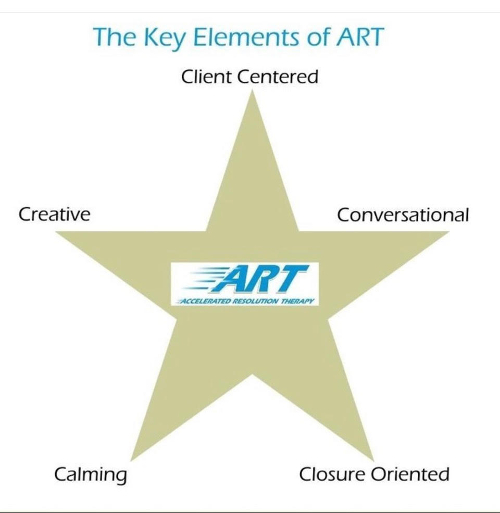 While talk therapy is extremely helpful, it’s not always the right choice when working to change a client’s in-the-moment reaction to a perceived threat. For example, a combat soldier may fully understand why hearing a car backfire might trigger a fight/flight/freeze response. But ART can actually prevent that seemingly automatic response. By calming the body while imagining the traumatic incident and replacing those negative images with positive ones, we can greatly reduce or eliminate any emotional reactivity.
“Keep the Knowledge, Lose the Pain.” – Laney Rosenzweig
ART is based in science, but what happens during the sessions is pure magic. Our clients have reported that their lives changed dramatically from the ART process: their symptoms disappeared, their relationships deepened, their general outlook on life improved, and many reported finally feeling unstuck and “free.”
The process of ART begins with an intake session to discover what your treatment goals are and to explain the ART protocol in more detail. Then we schedule an ART session (usually 90 minutes) in which you will bring in a “scene” of your trauma, issue, or problem. Through a standardized protocol in Accelerated Resolution Therapy, you will envision your scene while processing negative sensations that show up in your body. Through desensitization and imaginal rescripting, you will create new positive images to keep in your brain and ultimately lose the emotional distress. You will never forget the facts of what happened, but you do not need to keep the negative images and corresponding distressing sensations.
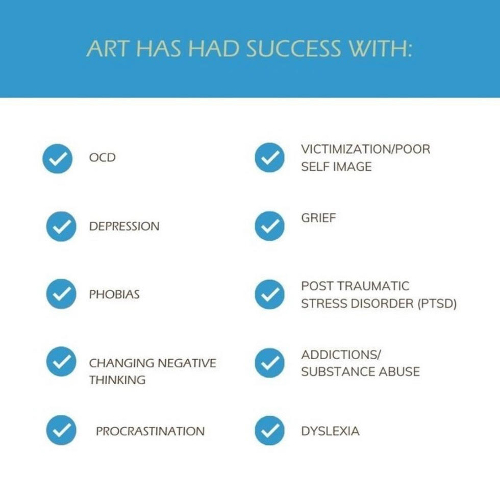
 It is important to note the array of challenges that ART helps to treat. A more comprehensive list includes Trauma and PTSD, Sexual Assault/Abuse, Depression, Anxiety, OCD, Phobias, Addiction, Insomnia, Grief and Loss, ADHD, Eating Disorders, Birth Trauma, Medical Trauma, Chronic Illness, Chronic Pain, Motivation, Performance Anxiety, Fear of Public Speaking, Feeling “Stuck,” Self-Confidence, and Feelings of Unworthiness.
Here is an example of how ART has helped a client of ours: “Kelly” came in because she would get triggered and dysregulated when she had any interaction with her ex-husband. She would start sweating, her heart rate would increase, and she would feel shaky and nauseated. We completed two sessions of ART that focused on the way she had been responding to interactions with her ex-husband versus the way she wished she could respond. After that second session, she no longer felt triggered and reported no more physical or emotional reactions when interacting with him. Instead, she felt calm and confident.
It’s thought that the eye movements used in ART replicate REM sleep, during which memories are reconsolidated in the brain. EMDR is used to treat similar disorders but differs from ART in the following ways:
| Eye Movement Desensitization and Reprocessing (EMDR) |
Accelerated Resolution Therapy (ART) |
|---|---|
| Often requires 10-20 sessions | Usually requires 1-5 sessions |
| Requires that you talk about your trauma | Requires little to no talking about your trauma |
| Reintegrates & desensitizes negative memories | Replaces negative memories with positive ones |
| Focuses on thoughts and feelings | Focuses on images and sensations |
| Uses free association . |
Uses a strict protocol with resolution at the end of every session |
Although I have been a talk therapist for over 20 years, I am committed to learning new and innovative ways to help clients find healing. Because the results I’ve witnessed are absolutely miraculous, my practice now primarily focuses on providing Accelerated Resolution Therapy.
 I have a personal connection with the ART process. After going through a traumatic breakup, I was unable to stop grieving despite weekly talk therapy. I tried ART as a client. After only two sessions, I was fully able to put the break-up behind me and move forward with my life. Because of this experience, I knew I wanted to train in ART immediately. I have been practicing ART since 2018 and am proud to be a Master level clinician. ART is now my favorite modality, and I use it both as a stand-alone treatment and in longer-term talk therapy as well.
I am thrilled to share that the ART process works both in-person and virtually. We have therapists at Brooke Bralove Psychotherapy who offer online Accelerated Resolution Therapy in the state of Maryland. When working with trauma, we believe that treatment modalities utilizing a bottom-up approach can be much more effective than simple talk therapy. We are proud to be some of the first ART practitioners in the DMV.
“My experience with ART was transformative. I had been haunted by debilitatingly intrusive images and sounds in the days following a traumatic event…To my surprise and relief though, the work seemed to bear results even while I was still in the chair, and the days that followed the session proved to be exactly as Brooke described. The images and sounds were faded, muted, opaque and all intrusive qualities were gone…. Several weeks later now, I feel as if things have been actually processed and transformed vs. shoved down or boxed up. I’m calmer, easier. I’m not haunted anymore.” – Nina G.
Try Accelerated Resolution Therapy for yourself and see how this approach can help you live without your triggers controlling you. To set up an initial consultation to see if we’re a good fit, please connect with us through our contact page or by calling 202.256.4646. We look forward to hearing from you!
To read more testimonials from my ART clients, click here.
To view my collection of podcasts on ART, please visit my media page here.
For more information on ART, please watch Laney Rosenzweig’s TED Talk here or visit acceleratedresolutiontherapy.com.